
Tag: Student Life

  • Finding a College Organization to Join

    Finding a College Organization to Join

    College is an exciting time in many people’s lives. It is a time of learning, discovery, growth and independence. College is also accompanied with numerous changes: more independence, living in a completely new city and being away from friends and family.


    Meet New Friends

    One of the best ways to meet new friends, find a new support system and grow while in college is to be a part of a college organization. There are MANY different organizations that can be found on campus: fraternities, sororities, clubs, interest-groups, associations, etc. Not only can these organizations help you while in college, they can also help you outside of college.


    Network

    Being a part of an organization always looks good on a resume. Not to mention, these organizations often maintain contact with previous members who you can network with. Networking with current and previous members can help you find jobs, internships or get references. This will greatly help you find a job after graduating.


    Great for International Students

    If you are an international student, there are probably organizations and clubs for international students and students from your home country. Connecting with people from your home country may help you feel more comfortable while you are living in the US. They will also be able to provide support on how to adjust to live in the US and on campus. They went through the same challenges and difficulties you did and would be a great support to you.


    Finding an Organization

    Many universities have a listing of their college student organizations, however, some only are viewable to students with a student ID. So how can incoming college students, especially international students, connect with clubs and organizations on campus and vice versa? That is where UEMSConnect can help.


    Online Community

    UEMSConnect is an online community that aims to connect incoming international students (domestic college students are welcome too!) with clubs, organizations, alumni and advisors from universities they are looking at attending. Using the groups and group forums, incoming college students and current college students can communicate, share stories or show off their college.


    Clubs and organizations can either create a group specifically for their club and/or they can create a forum board under their university’s group forum. They can chat, private message, share pictures and more all on one community.


    Being a college student can be difficult and adventurous at the same time. It is a time to spread your wings and learn. So, don’t graduate college with regrets. Join an organization, get connected, share your stories and have fun!


    By Ashleigh Cue

  • Freshman’s Guide to College Textbooks

    Freshman’s Guide to College Textbooks

    Getting ready for your first semester is college is filled with excitement and anticipation. Many are counting down the days for when they can ‘officially’ call themselves college students. Perhaps you have already started buying your school supplies. If you have already signed up for classes, you may even know what textbooks are listed for your class. Textbooks are another expensive cost to a college education. That is why you should be aware of these 5 things.


    1. Textbooks can be  EXPENSIVE

    Textbooks can range from $5 to $500 easily. There is no average cost for textbooks, because it often depends on the major. For instance, many science books cost hundreds of dollars, so a science major will spend more than a art major, which usually has cheaper books or does not require any. It is important to note that just because you spend $300 on a textbook does not mean that it is bound. Some books are loose-leaf, which means they are unbound and require a binder to put all the loose pages into.


    1. Don’t buy your books before class starts

    Many blogs and articles might tell you to buy your textbooks early, but that could be costly. Professors have little to no control on what books are listed as required on the class catalog. So, you may have bought that $100 book and it will not be used. Buy your textbook right after your first day of class, when you get the syllabus. If your course requires multiple textbooks, wait to buy the other books until about a week or two before you need them. Sometimes professors have to redo the class calendar due to circumstances, which could result in one of the books previously listed as required not being used.


    1. Look for off-campus bookstores

    Some textbooks may sell out fast in your campus bookstore, especially if it is a core class that all majors have to take. Usually there are one or more off-campus bookstores, usually somewhere near campus, that sell college textbooks.


    1. Rent or Buy Used

    As mentioned before, college textbooks can be expensive. One way to help keep costs down to to buy used textbooks or rent them for a semester. Renting is always a good option and there are several places to rent textbooks: Chegg, Amazon, off-campus bookstores, etc. Just keep in mind when the books have to be returned (usually the last day of finals). However, if you are going to need the book for future reference or it is a good book to keep around for your major, you can buy it used at a cheaper cost. Because they are used the condition they are in often varies between gently used to completely marked up and usually the condition does not affect the price.


    1. Borrow

    This is the cheapest of all the textbook options. Connect with someone in class or find someone who has taken the class before and see if you can borrow their textbook. You can even ask someone taking the class and offer to share and split the cost of the textbook.


    With the cost of college and textbooks being so high, it is becoming important to try and reduce costs as much as possible. By utilizing or being aware of these 5 textbook tips, you can help lower the amount of money you spend on college textbooks. Just think, for every dollar you save the less you will have to pay back in loans and interest.


    Have any other tips for saving money on college textbooks? We would love to hear them! Share your tips on our social community UEMSConnect and help other students learn from your experiences.


    By Ashleigh Cue

  • Study Tips Based on Your Learning Style

    Study Tips Based on Your Learning Style

    Everyone is different. We all have our own personalities. Nobody has the exact same personality as you. So why do we tend to think that everyone learns the same?


    When people usually think of studying, they think of taking a textbook and reading it somewhere quiet (like a library). Many people think that a quiet place to study is ideal, because there are less distractions. But some people actually study better with noise going on in the background. The traditional study habits, quiet place to read, would not benefit this type of learner.


    The real question is what type of learner are you. If you know that then you can tailor your study habits to improve your studying efficiency. There are three main learning styles: Auditory, Visual and Kinesthetic. There are many learning style quizzes on the internet to help you determine which one you are.


    The Learning Styles


    Auditory LearningAuditory

    If you are an auditory learner, you learn better by listening. You probably learn a lot when attending lectures. If you can record your lectures, then you can play them back when time comes to study for an exam or test. When studying from books read out loud or ask someone to read it to you. If you have someone to study with have them ask you questions out loud. They also tend to be able to study best when something is playing in the background (music, people or the tv).


    Visual

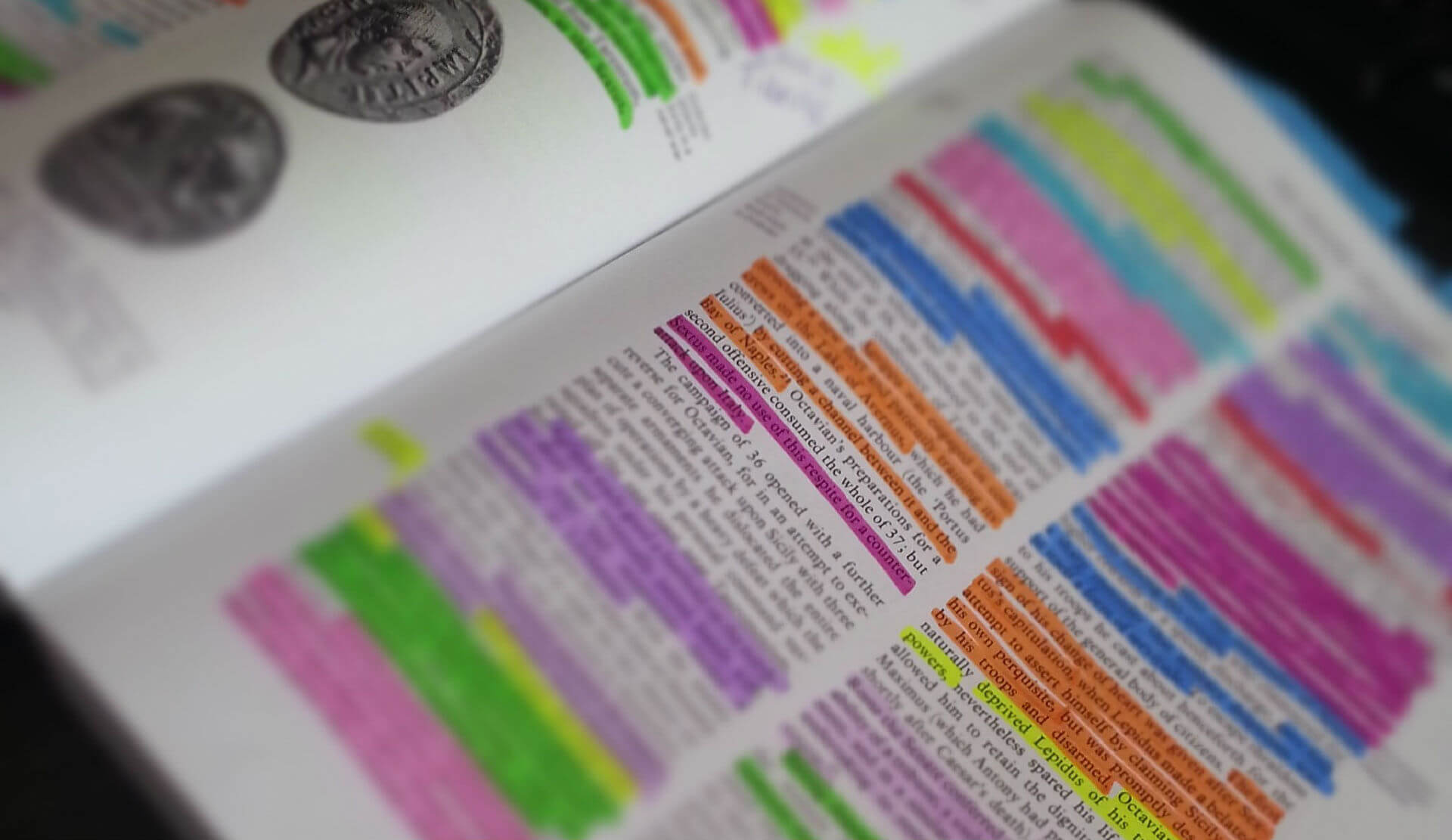
    Visual learners are people who learn best by seeing it. They prefer when professors write on the chalk boards and are probably avid note takers. Visual learners tend to do better in quiet study places away from audio distractions. Taking notes during class, writing down notes when reading textbooks, highlighting text in books and flipping through flashcards are great ways to study as a visual learner.


    Kinesthetic/Tactile

    The kinesthetic/tactile learners are doers. They learn by doing things. They also can learn while moving around, taking breaks, or drawing. Hand writing notes, creating flashcards, acting out stories, or hand-on activities.


    While there are three main learning styles, it does not mean that you are entirely one or the other. You may have a dominant learning style, but also have characteristics of the other two learning styles. The best online tests to take are ones that will show you what percentage you are in each learning style, like 25% Auditory, 40% Visual, 35% Tactile.


    The most important thing to remember is that what works for one person might not work for you and vice versa. Based on your learning style strengths you should develop your own study habits.


    By Ashleigh Cue

  • Social Community for International Students (and College Students)

    Social Community for International Students (and College Students)

    Studying in the US

    It can be a scary and exciting adventure when you decide to leave your home country to live and study in the US. This transition is often filled with uncertainty and questions; questions like: how can I easily acclimate to the US, where will I live and will I experience culture shock. Even after moving to the US, you will probably still have questions.


    Knowledge is key

    There is a saying: knowledge is key. The same saying is true with studying abroad. The more you know and the more you expect, the easier your transition will be. Having resources to help guide you through the process, tips on how to live in the US and a directory of companies that help international students studying in the US, will help answer questions and ease the uncertainty.


    Resources Available

    Providing resources and connections for international students is the primary goal for UEMSConnect, an online community. UEMSConnect is an eShipGlobal initiative to help international students, advisors and other university staff or students connect. It serves as a library of knowledge. International students have access to resources like, blogs, infographics, videos and services aimed to help them live and learn in the US.


    The Online Community

    As mentioned before, UEMSConnect is an online community. It is a social platform designed to connect international students, international student advisors, and college students. One of the best ways to deal with the uncertainty is to be connected to advisors and students from the university you are looking at attending.


    Making Connections

    Through the community international students will be able to talk to other international students, advisors, or US college students via online chat, group boards and private messaging. This is a great way to learn about the school from the people actually attending. International students coming into or already studying in the the US can (and are encouraged to) share tips, advice events and stories. What better way to learn about the challenges you may face when living and studying in the US then from student who made the same journey.


    Connect Offline Too

    The connections made on UEMSConnect transcend the digital world. Once you enter the US you can connect with the students, clubs, organizations and advisors you talked to in the community groups. These organizations, clubs and advisors hopefully where using their ability to list events on the calendar, so you may even know about what events will be taking place during your first few weeks on campus.


    Join Today!

    Whether you are a incoming international student, a current international student, an advisor or a college student, UEMSConnect is a community designed to help you succeed when studying in US Universities. Sign-up is quick and easy. We hope to see you there!


    By Ashleigh Cue